
e-signatures,
demystified.
Plain-English answers to every e-signature question - verified against primary law, from ESIGN to eIDAS, and kept current.
Popular: eIDAS QES ESIGN exceptions witnessing a deed
Essential guides
The definitive references
In-depth guides we keep up to date and link to throughout the site.
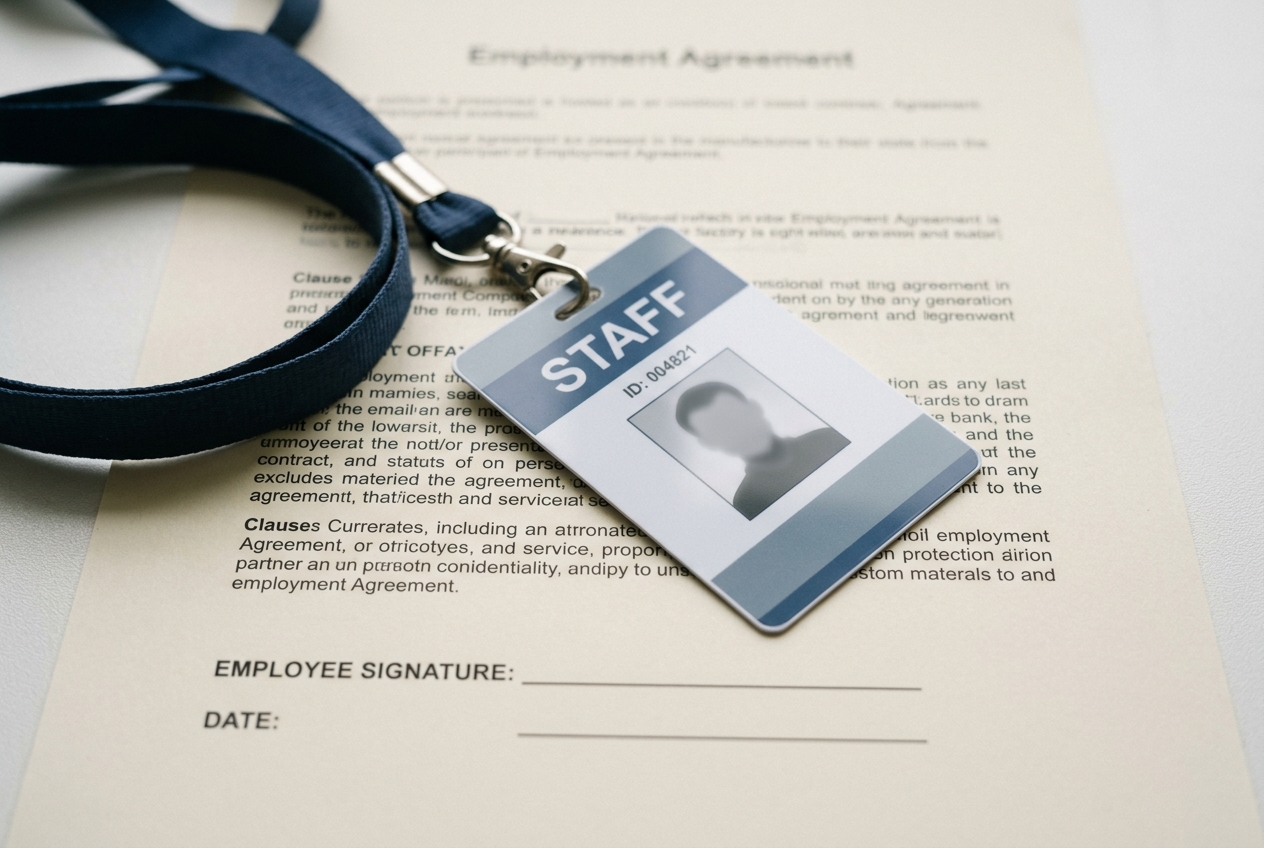
Can employment documents be signed electronically?
Yes, you can electronically sign employment contracts, offer letters, and settlement agreements with no witness required.

What is a digital signature?
What is a digital signature? Learn how this electronic verification method replaces handwritten signatures and secures documents legally.
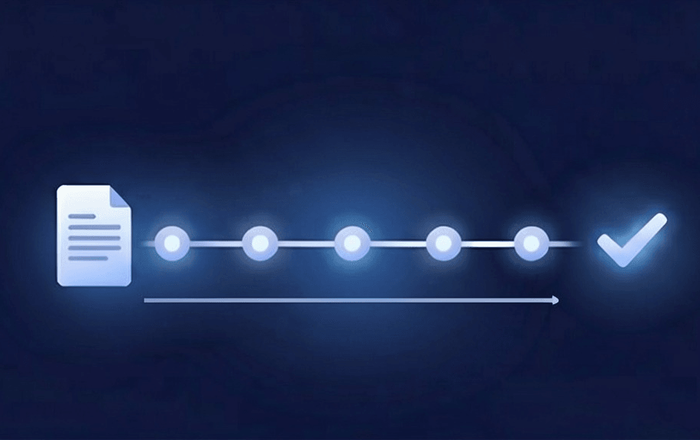
How to send a document for e-signature: a step-by-step guide
How to send a document for e-signature in eight simple steps, from preparing your file to choosing a platform and tracking signatures.
Start here
This week’s essentials
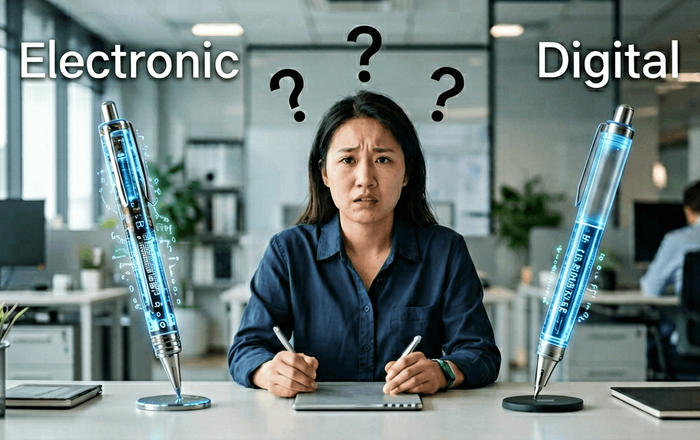
Electronic signature vs digital signature: what is the difference?
What's the difference between electronic and digital signatures? Learn how they differ in security, legal validity, and use cases.

What is eIDAS?
eIDAS is EU regulation 910/2014 governing electronic signatures, seals, and trust services. It ensures electronic signatures are legally valid and qualified…

Which US HR software includes electronic signatures?
Find out which major HR platforms include electronic signatures and how they handle Form I-9 compliance requirements.
Independent & unsponsored
Build a polished email signature in 2 minutes.
No account, no watermark. Pick a template, add your details, and copy straight into Gmail, Outlook, or Apple Mail.
